







Jump To
Most of the bathrooms we walk into for the first time in Hudson Valley homes share a few things: a vanity that was installed sometime in the ‘80s, tile grout that’s been slowly losing the battle against moisture, and a layout that made sense to someone in 1962 but doesn’t quite work for a family in 2025. The homeowners who call us aren’t in crisis. They’ve just finally decided to stop tolerating a space that hasn’t worked for years.
Here’s what we’ve learned after doing this work across Dutchess, Ulster, Orange, and Columbia counties: the projects that go smoothly aren’t the ones with the biggest budgets. They’re the ones where the homeowner came in with a clear head about what they wanted, what they could spend, and what they were likely to find inside those walls. The ones that go sideways almost always trace back to decisions that got rushed in the planning phase before a single tile was touched.
Remodeling in the Hudson Valley also comes with a specific set of variables that a national how-to guide will never mention. For example, the way permit timelines vary town by town, what it actually means to open a wall in a house built in 1910, and why the calendar matters more here than it does in most places. This guide covers all of it.
Whether you’re thinking about a full gut renovation or a more focused refresh, use this as your starting point. By the end of it, you should know exactly what questions to ask, what to budget for, and what to watch out for so that you can walk into that contractor conversation with confidence instead of hoping for the best.
Step 1: Get Clear on What You Actually Want (and Why)
Before you open Pinterest or call a contractor, take 20 minutes to answer three questions honestly:
- What is actually broken or frustrating about your current bathroom?
- Are you remodeling for daily comfort, resale value, or both?
- Is this a cosmetic update or do you want to change the layout and function of the space?
The answers matter because they determine everything downstream such as your budget range, your timeline, and what kind of contractor you need. A homeowner who wants to replace fixtures and retile a shower needs a very different plan than someone who wants to move a wall, relocate plumbing, and add radiant floor heating.
Must-haves vs. nice-to-haves
One of the most useful exercises we walk clients through is creating two lists: must-haves and nice-to-haves. Must-haves are non-negotiables. It includes a walk-in shower, a tub-to-shower conversion, accessible design for aging in place, and a double vanity. Nice-to-haves are everything that would be wonderful if the budget allows. It includes heated floors, a soaking tub, and custom cabinetry.
When budget decisions get hard then this list is your anchor. It prevents you from cutting the thing that mattered most while holding onto a splurge that didn't.
Step 2: Set a Realistic Budget (Before You Fall in Love With Anything)
The number one source of stress in any Marlboro bathroom remodel is a budget that doesn't match the vision. Here's how to set one that holds.
Typical bathroom remodel costs in Hudson Valley
Costs vary significantly based on scope, materials, and the specific condition of your home. As a general reference for the Hudson Valley region:
| Scope | Estimated Range | Typical Includes |
|---|---|---|
| Cosmetic refresh | $5,000 – $15,000 | New fixtures, paint, vanity, lighting |
| Mid-range remodel | $15,000 – $35,000 | New tile, shower/tub, flooring, cabinetry |
| Full renovation / gut remodel | $35,000 – $75,000+ | Layout changes, plumbing relocation, luxury finishes |
The costs homeowners always forget
Beyond materials and labor, plan for:
- Permits (required for plumbing, electrical, structural changes and much more)
- Demo and disposal costs
- Temporary bathroom arrangements if this is your only bathroom
- A 15–20% contingency buffer for surprises found during demo in older Hudson Valley homes, this is not optional
That last point matters more here than almost anywhere. Many homes in the region like Victorians, farmhouses, mid-century colonials etc. were built well before modern plumbing and waterproofing standards. It's not unusual to open a wall and find galvanized pipes, knob-and-tube wiring adjacent to plumbing, or water damage that has been quietly spreading for years. A contingency fund isn't pessimism; it's good planning.
Step 3: Understand What's Unique About Remodeling in Hudson Valley
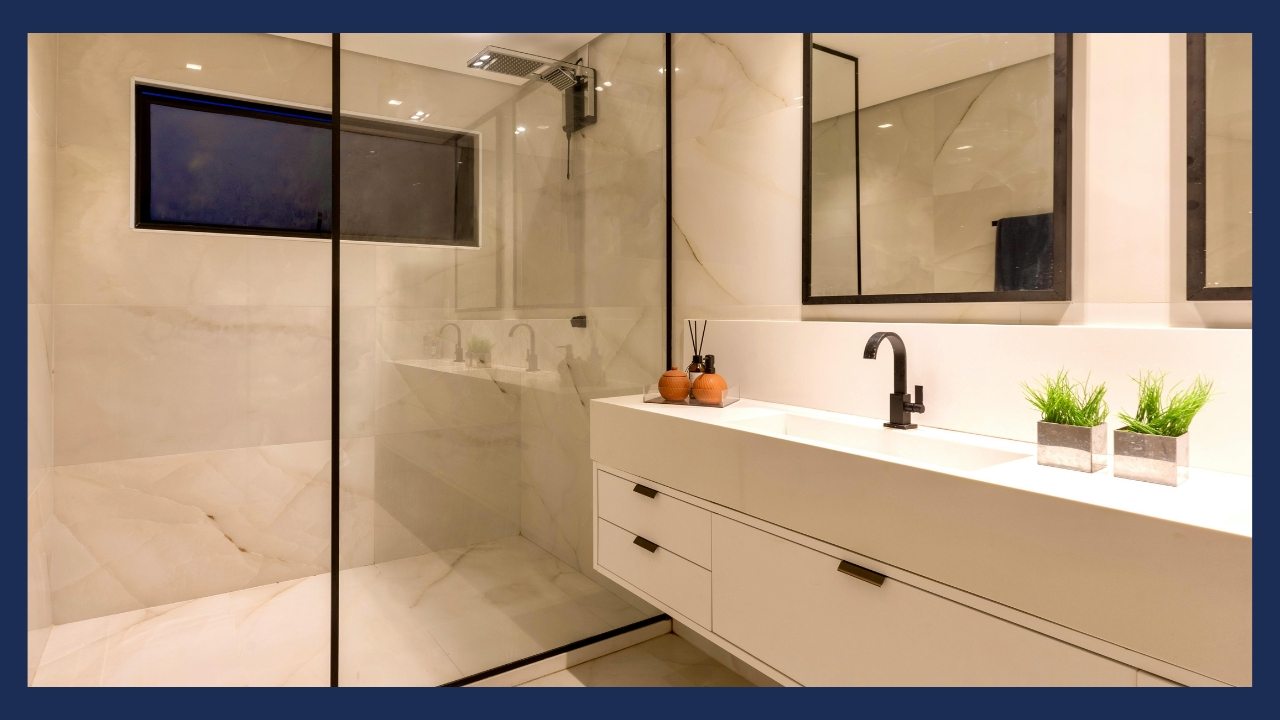
This is the section you won’t find in a national remodeling guide, and it’s the one that matters most if you live here. The Hudson Valley’s housing stock, its climate, and the way local government works create a combination of factors that will directly affect your timeline, your budget, and what you find when the walls come down. Knowing them ahead of time is the difference between a project that runs smoothly and one that keeps producing surprises.
Older homes mean hidden surprises
The majority of homes we work in across Poughkeepsie, Kingston, Rhinebeck, Newburgh, and the surrounding towns were built before 1960 and a significant portion before 1930. That matters in very practical ways. You’re likely dealing with plaster walls instead of drywall, which behaves completely differently during demo and adds time and cost to patching.
Cast iron drain pipes are common and often corroded; finding one that needs full replacement mid-project isn’t unusual.
We opened a wall in a Rhinebeck Victorian last year and found the original knob-and-tube electrical running directly alongside the plumbing. The homeowner had no idea, the house had passed every inspection for decades, and it added two weeks and a licensed electrician to a project that was supposed to be a three-week bathroom refresh.
That’s not a horror story; that’s a Tuesday in older Hudson Valley housing stock. Plan for it financially and you won’t be rattled by it.
Permits vary by town and they matter
The Hudson Valley is a patchwork of municipalities. Towns, villages, and cities each running their own building department with their own fee schedules, turnaround times, and inspection requirements. A straightforward permit in one town can take two weeks. The same permit in the next town over might take six. Some municipalities are well-staffed and responsive. Others are not, and chasing an inspection sign-off can genuinely stall a project.
Any contractor who tells you permits are a formality and won’t affect your timeline either hasn’t been doing this long enough, or isn’t being straight with you. The work that requires permits, adding plumbing, electrical circuit changes or structural work needs to be scoped into your schedule from day one. They must not be treated as an afterthought. Beyond timing, unpermitted work creates real problems at resale: buyers’ attorneys pull permits, and work done without one becomes your liability.
The simple rule: if you’re not sure whether your project needs a permit, ask your contractor before work starts, not after.
Seasons affect your timeline
If you’re thinking about starting a bathroom project in the Hudson Valley, timing matters more than most homeowners realize. Spring is the peak season. Contractors are booked out further, material lead times stretch, and permit offices get busier. If you want a spring start, the conversation with your contractor needs to happen in January or February, not April. Fall is often the sweet spot: contractor schedules open up, the summer supply chain backlog clears, and you’re not competing with every other homeowner who decided to renovate at the same time.
Winter remodels are absolutely doable, but they come with caveats specific to this region. Tile adhesives and grout need to cure within a temperature range if your home runs cold overnight in the work zone, that matters.
Beyond scheduling, the Hudson Valley’s freeze-thaw cycles are worth thinking about for any bathroom on an exterior wall. We’ve seen bathrooms where the original builder skimped on insulation and vapor barriers, and years of condensation and freeze-thaw movement had quietly rotted the subfloor and framing behind the tile.
Nobody knew until demo day. If your bathroom is on an exterior wall especially in a home built before the 1980s. You must assume that your contractor will need to address the wall assembly, not just the surface. Budget for it.
Step 4: Finalize Your Design Before Work Begins
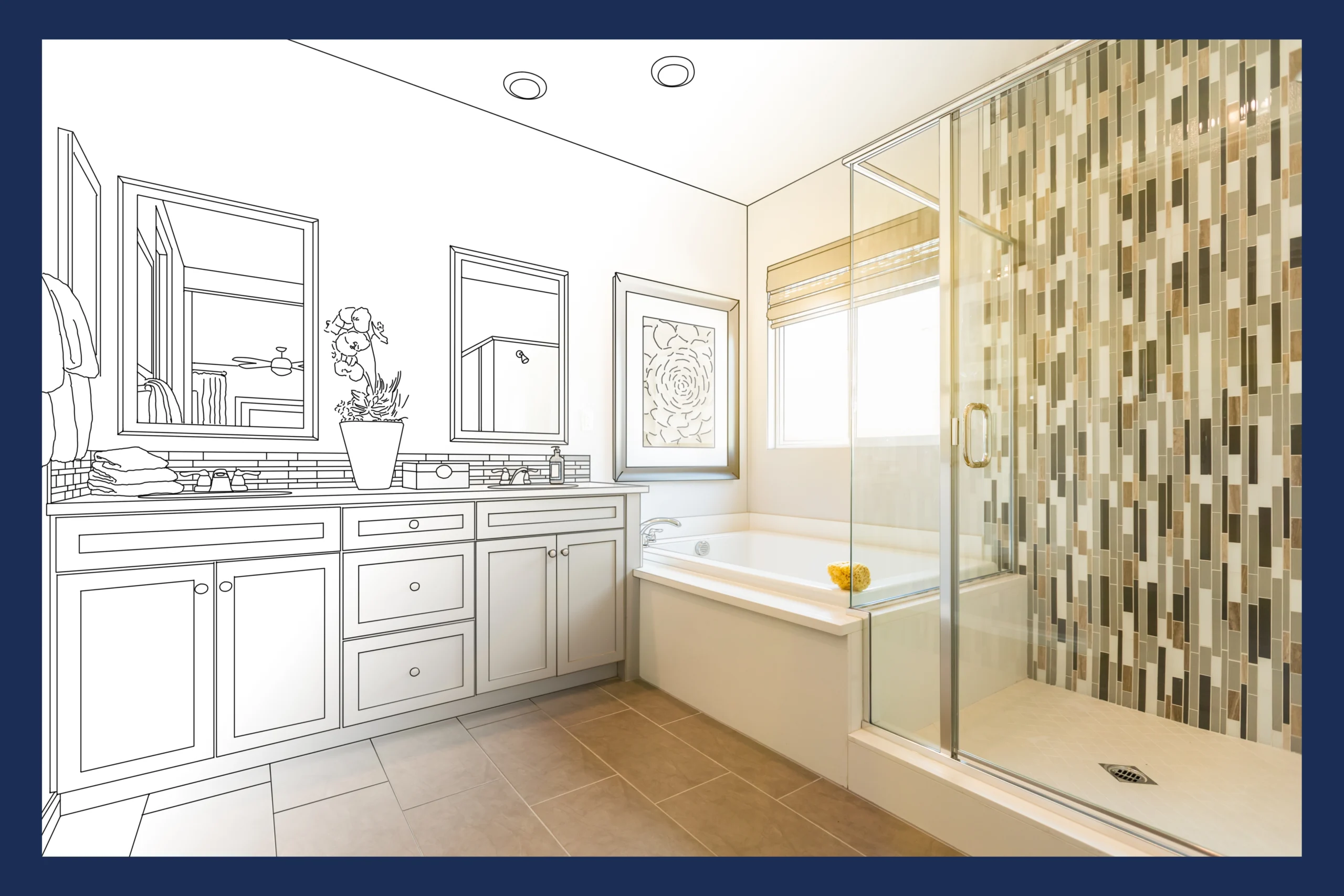
One of the most expensive things you can do in a bathroom remodel Mt Kisco is change your mind mid-project. When a tile is already on order and a wall is already framed, pivoting costs time and money that compounds fast.
Lock down your design decisions before demolition starts. That means:
- Layout: where the toilet, vanity, shower, and tub will be positioned
- Tile selection: floor tile, wall tile, shower tile, grout color
- Fixtures: faucets, showerhead, toilet, towel bars
- Vanity and storage: style, dimensions, material
- Lighting: how many fixtures, where, what style
A note on tile and material lead times
Specialty tile, custom vanities, and certain fixtures can have lead times of four to eight weeks or longer. If you fall in love with a specific product, find out when it can be delivered before you build your project timeline around it. Ordering materials in advance before demolition starts keeps your project moving instead of stalling.
Timeless over trendy for the big investments
Trends move fast in bathroom design. The rule we give clients: spend your money on timeless choices for the permanent elements such as tile format and color, vanity style, flooring and use fixtures and accessories for the trend moments. A brass faucet or a patterned mirror can be swapped out in a few years. Ripping out a floor you're tired of cannot.
Step 5: Know What to Expect During the Remodel
A clear picture of the process eliminates most of the anxiety. Here's what a typical bathroom remodel sequence looks like:
- Consultation and planning: goals, budget, design decisions, permit assessment
- Permits pulled: where required, this happens before work starts
- Demolition: removal of existing tile, fixtures, and any compromised materials
- Rough-in inspection: plumbing and electrical assessed, surprises addressed
- Plumbing and electrical work: updates and relocations as needed
- Waterproofing and backer board: foundational layer that protects everything above it
- Tile installation: shower walls first, then wall tile, then floor
- Paint, trim, and drywall finishing
- Vanity, toilet, shower fixtures, and hardware installation
- Final walkthrough, punch list, and sign-off
For most bathroom remodels in the Hudson Valley, construction takes 3 to 6 weeks from demo to completion. A full gut remodel with layout changes can run 6 to 8 weeks. Powder rooms and cosmetic updates often wrap in 1 to 2 weeks.
Step 6: Choose the Right Contractor for the Job
We’ve come in behind bad contractors more times than we’d like to count. The bathroom looks fine on the surface. Then the grout starts cracking at six months, or the homeowner notices the floor flexing near the shower, and they pull up a tile to find the waterproofing was done wrong and water has been sitting behind the wall since day one.
Choosing the right contractor matters more than any single design or material decision you make. Here’s what to look for:
- Licensed and insured in New York State: non-negotiable. Ask to see their license number and verify it.
- Local experience: a contractor who has worked in Dutchess, Ulster, or Orange County understands the quirks of regional housing stock and local permit offices.
- Clear written estimates: any reputable contractor will give you a detailed, itemized quote. Vague estimates lead to change orders and disputes.
- References and project photos: ask to see completed bathroom projects similar in scope to yours, and actually call the references.
- Communication style: do they respond promptly? Do they explain things clearly? The person who is easy to work with before the project starts is usually easy to work with during it.
Be cautious of unusually low bids. In remodeling, a price that seems too good to be true usually means something is being left out whether that's proper waterproofing, permit costs, or skilled labor. The cheapest bathroom remodel is rarely the least expensive one when all is said and done.
Common Questions About Planning a Bathroom Remodel
Ready to Start Planning? Let's Talk.
Planning a bathroom remodel in Hudson Valley doesn't have to feel overwhelming. With the right plan, the right budget, and the right contractor, it's one of the most satisfying home improvements you can make and one of the smartest investments in your property.
At Keen Improvements, we work with homeowners throughout the Hudson Valley to bring their bathroom visions to life. We handle the full process from initial consultation and design through permits, construction, and final walkthrough so you don't have to manage moving parts on your own.
If you're thinking about a bathroom remodel and want to understand what it would look like for your specific home and budget, we're happy to start that conversation. No pressure, no hard sell, just honest guidance from a local team that knows what it takes to do this right in the Hudson Valley.
Get Your Free Estimate
Mt. Kisco
118 N Bedford Rd #100, Mt Kisco, NY 10549
(914) 410-6209
(914) 410-6209
Marlboro
63 South St, Marlboro, NY 12542
(845) 440-1010
(845) 440-1010